
Boroondara’s property market is entering 2026 with a more measured rhythm, as global uncertainty, inflationary pressures and interest rate sensitivity shape a more considered buyer environment. Beneath the near-term turbulence, however, long-term foundations remain compelling.

Executive Director,
Group Board Member
“When confidence softens, the market can shift into a holding
pattern,” says Scott Patterson, Executive Director at Kay & Burton. “In these times of uncertainty, we need to take a longer-term view, because this will be a temporary phase rather than a structural shift—and within it, there are genuine opportunities for buyers to reposition.”
The market is currently operating with greater segmentation. Below $2 million, activity remains consistent, supported by first home buyers and downsizers seeking well-located homes.
Within the $2 million to $7 million range, outcomes are increasingly influenced by property-specific factors, with well-presented homes attracting strong competition, while others require more strategic positioning—reflecting the more discerning nature of today’s buyer.
At the upper end, a strong run of transactions through late 2025 carried into the early part of 2026, reinforcing underlying demand for premium homes. While conditions have become more measured, well-executed properties continue to attract meaningful interest, particularly those offering scale, liveability and proximity to leading schools.
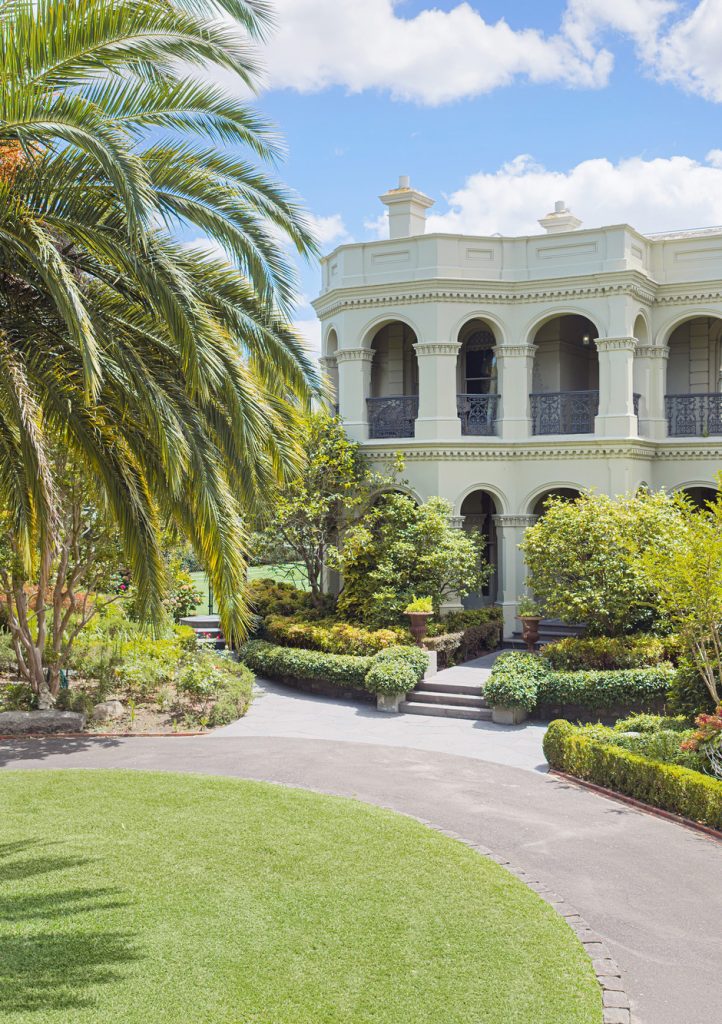
“For those willing to take a longer-term view, this period may well present the best opportunity to buy that we’ve seen in years.”
—Scott Patterson
In 2025, Kay & Burton maintained a leading position in the $7 million-plus segment, capturing 33 per cent of market share3—ahead of the nearest competitor at 25 per cent—further reinforcing the brand’s strength across Melbourne’s premium property markets.
The preference for turnkey homes remains a defining trend, as elevated construction costs and extended build timelines continue to deter renovation-driven buyers. CBRE’s Australian Residential Valuer Insights Q1 2026 highlights this, with demand strongest for established homes (59 per cent) and solid interest also recorded for recently renovated and new properties (both 34 per cent), reinforcing the market’s clear bias toward immediate liveability.
More broadly, the report shows demand remains resilient, with 54 per cent of valuers reporting ‘strong’ to ‘very strong’ conditions—well above this time last year—and 89 per cent expecting demand to either increase or remain stable over the next 12 months.
School zoning also continues to play a significant role, with Cotality research indicating sought-after government school zones can add more than $150,000 to property values—reinforcing the premium attached to established education precincts.
“Underlying demand from families seeking access to leading schools continues to support the market,” Mr Patterson notes. “Hawthorn and Kew, in particular, remain highly sought after.”
International buyer interest also remains present, particularly from Asian markets, continuing to underpin demand across the key school zones despite increasing complexity in foreign buyer requirements.
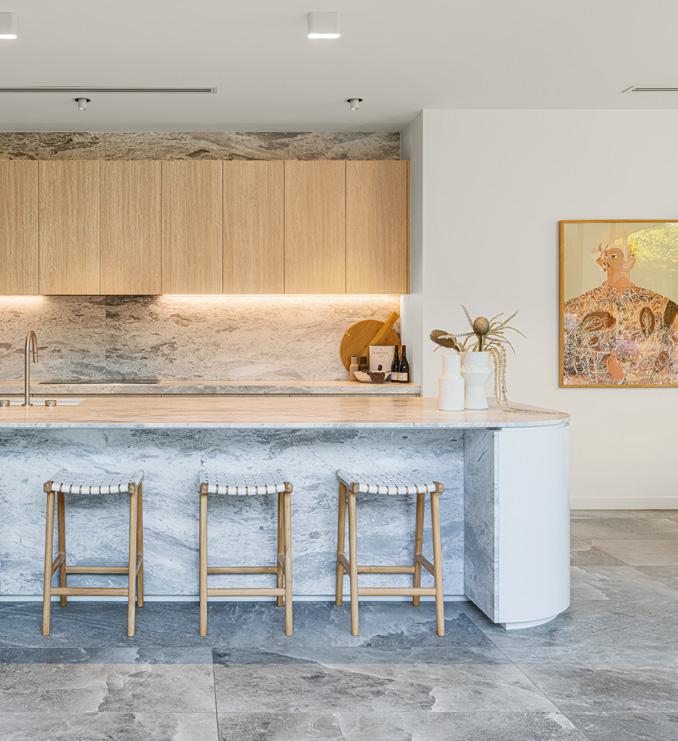
An increase in available stock—up approximately 20 per cent through February and March—has provided buyers with greater choice, contributing to a more deliberate pace of decision making.
In response, more tailored campaign strategies are proving effective. A recent example is the sale of 7 Harcourt Street, Hawthorn East, where a considered approach culminated in a competitive private auction result above expectations.
Looking ahead, Mr Patterson remains optimistic.
“Even against a backdrop of global political uncertainty, Melbourne feels poised for growth,” he says. “For those willing to take a longer-term view, this period may well present the best opportunity to buy that we’ve seen in years.