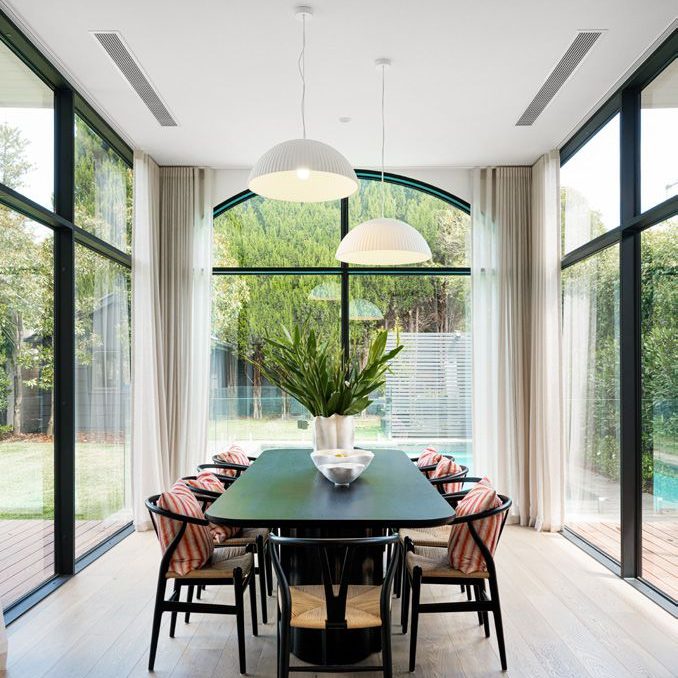
Melbourne’s property market is navigating a complex backdrop of geopolitical tension, shifting trade conditions and ongoing interest rate movements.
Despite this, the prestige segment has entered 2026 with a renewed sense of momentum, with activity lifting as buyers re-engage with long-term decisions and reposition for future growth.

Managing Director,
Group Board Member
According to Kay & Burton Managing Director Ross Savas, the start of the year marked a clear turning point. “Buyers came back reset and ready to move forward, and that energy is still translating directly into transaction activity,” Mr Savas says. “In Australia, particularly at the premium end, the fundamentals remain very strong.”
Cotality reports Melbourne’s median dwelling value reached $828,249 in March 2026—up 3.4 per cent annually. National dwelling prices are also forecast to increase by 7.7 per cent for houses and 7.1 per cent for units in 2026, according to KPMG.
Mr Savas believes there has been a recalibration rather than a structural shift in underlying conditions amid global uncertainty. Periods of international disruption have typically prompted high-net-worth buyers to become more deliberate with their decision-making rather than retreat altogether.
“Buyers pause, reassess and become more considered… importantly, that tends to affect timing rather than intent.”
—Ross Savas
“But importantly, that tends to affect timing rather than intent.” This measured confidence continues to be reinforced by constrained supply. Cotality reports that total advertised stock nationally remains 20.6 per cent below the five-year average and 15.8 per cent lower year-on-year.
Meanwhile, Domain reports enquiry levels increasing across Melbourne’s prestige suburbs as buyers re-engage with limited available stock. In blue-chip locations such as Toorak, Canterbury and South Yarra, demand continues to outpace available listings, with search activity often exceeding stock by a significant margin.
“What we’re seeing is that quality is being decisively rewarded,” Mr Savas says. “Truly unique, best-in-class homes are continuing to attract strong competition and deliver standout results.”
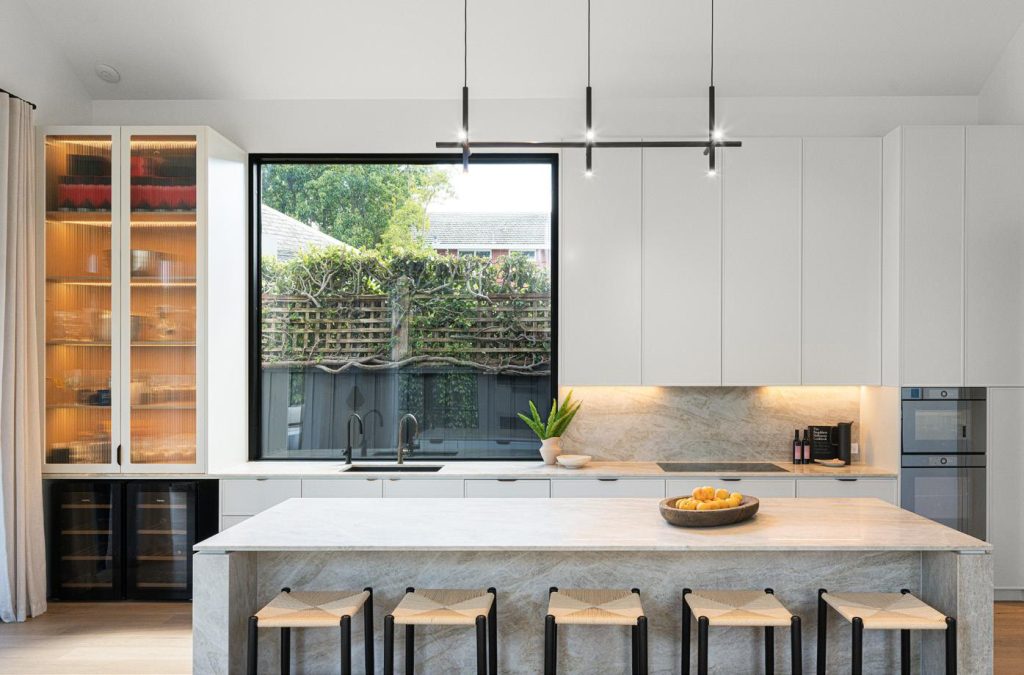
At the same time, balance sheets remain strong. Australian homeowners are holding record levels of housing equity, with total residential wealth now exceeding $12.6 trillion, according to Cotality. This has reinforced purchasing capacity at the upper end of the market, particularly among buyers looking to reposition or upgrade within the prestige segment.
Melbourne’s relative position within the national market is also shaping buyer behaviour. The city is increasingly being viewed as offering relative value compared with Sydney following a period of softer price growth, with dwelling values lagging by approximately 10 to 15 per cent in recent cycles, according to KPMG. This relative value proposition is attracting both local upgraders and internationally mobile buyers seeking long-term positioning.
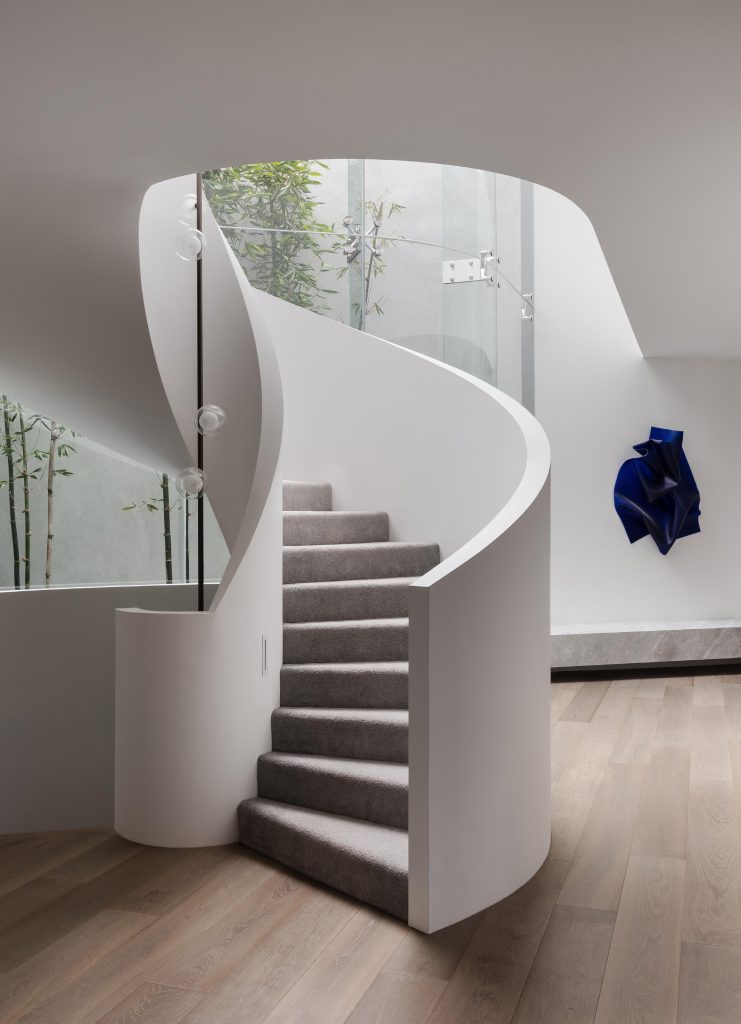
58A Champion Street, Brighton
At a macro level, Australia’s population is projected to reach approximately 28 million in 2026, based on Australian Bureau of Statistics data. Combined with constrained housing supply and a sustained cultural alignment to property ownership, these factors continue to underpin long-term demand. Alongside these structural drivers, lifestyle considerations are playing an increasingly central role in purchasing decisions.
“Buyers are placing greater emphasis on flexibility, privacy and longterm liveability, often extending beyond a primary residence to include secondary homes, rural holdings and private retreats,” Mr Savas says.
Wellness has also emerged as a defining influence. Features such as dedicated spaces for fitness, recovery and relaxation are no longer peripheral considerations but are increasingly expected within premium homes, reflecting a broader global shift that has become firmly embedded in the local market.
International buyers deepen competition for Melbourne’s top end
International demand continues to add depth and complexity to Melbourne’s prestige market, with
buyer pools increasingly balanced between domestic and offshore interest. According to Mr Savas, current activity is supported by strong engagement from Asia, alongside a notable return of Australian expatriates from the United Kingdom and Europe. This trend is underpinned by sustained net overseas migration consistently contributing more than 300,000 people annually in recent years, according to ABS data.

Director,
Head of International
Director and Head of International at Kay & Burton Jamie Mi said the overseas segment has remained both highly active and deeply engaged, particularly at the upper end of the market.
“Eighty per cent of the buyers and transactions I’ve worked with over the past year have been from wealthy international buyers, many of whom have already established themselves in Australia,” she says.
“I expected 2026 to take some time to build, but the quality of buyers has been exceptional. There are very few passive participants. Most are well informed, motivated and ready to act when they identify the right opportunity.
A significant two-thirds of 40,000 Australian residential properties registered as foreign owned are linked to buyers from China, according to the Foreign Investment Review Board. Victoria accounts for 16,929 of these addresses, representing more than 40 per cent of the national total.
Ms Mi added that premium demand is concentrated in turnkey family homes, typically within the $5 million to $18 million range, with Melbourne’s inner-east continuing to attract the strongest interest. $5-18m Typical price range for premium, high-demand turnkey family homes.
Newly completed or comprehensively renovated properties in established streets remain particularly sought after, reflecting a preference for immediacy and certainty among internationally active buyers.
Recent transactions have reinforced this depth of demand, including a sale on Lansell Road, Toorak, recorded as one of Victoria’s most significant residential results. Activity of this calibre is being complemented by a growing pipeline of listings through 2026, although the extent to which global conditions may influence supply remains to be seen.
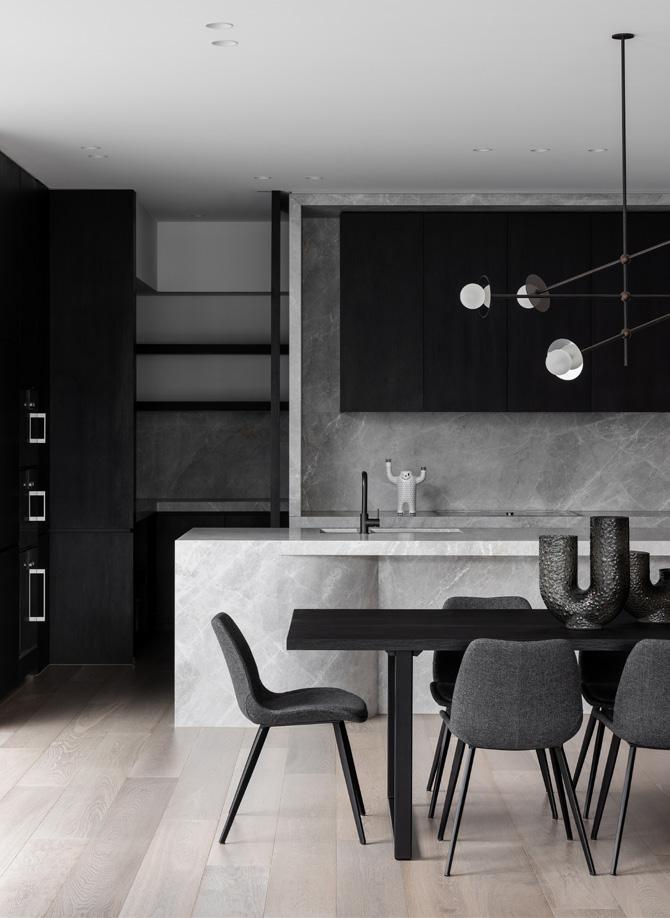
“The top end of the international market is closely tied to global trade, policy and economic conditions.”
—Jamie Mi
“These factors directly impact how and when buyers choose to act.” While these influences can shape timing, they have not diminished underlying demand.
Looking ahead, the combination of international capital, constrained supply and evolving lifestyle expectations is expected to continue supporting Melbourne’s prestige market, reinforcing its position as a globally relevant destination for high-quality residential property.